Art Histories
2018/ 2019

Filiz Tütüncü Çağlar

Rewriting the History of Ottoman Archaeology: The Case of Raqqa Excavations by the Ottoman Imperial Museum (1905-6 and 1908)

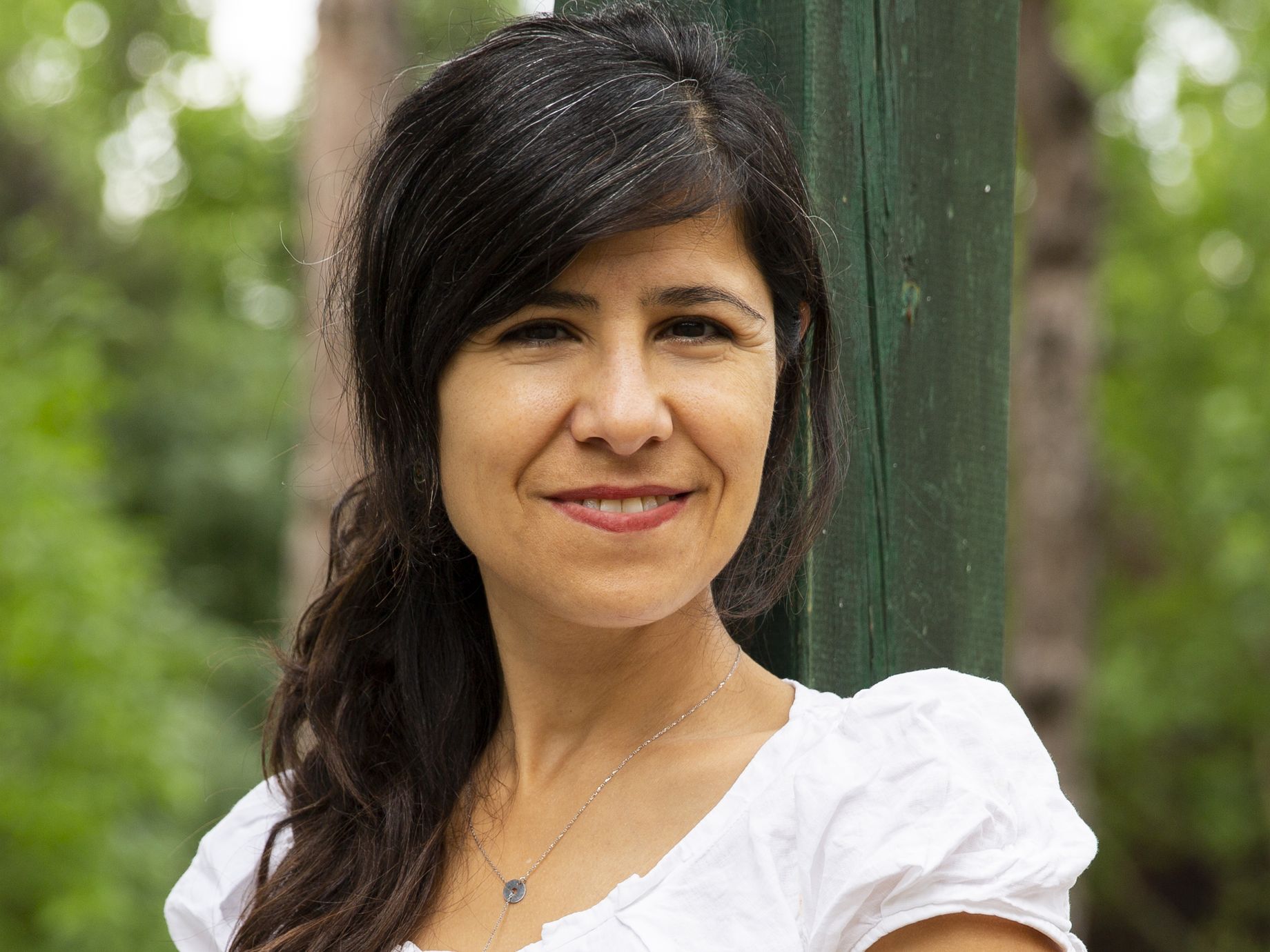
is an archaeologist specializing in Byzantine and Islamic archaeology. Her research focuses on the material culture of early Islamic Raqqa, and on the history of Ottoman archaeology by integrating archaeological, textual, and art historical sources in examining the discipline of archaeology as conceptualized and practiced in the late Ottoman Empire. Filiz received her BA in Japanese Language and Literature from Ankara University (Turkey) in 2003, following which she pursued a professional career as a trilingual tour guide. In 2008, she was awarded her MA degree in Archaeology and History of Art at Bilkent University, Ankara; her thesis on the archaeology of horse stables in Middle Byzantine Cappadocia is currently under revision for publication as a monograph. In 2017, Filiz was awarded her PhD in Art History and Visual Studies from the University of Victoria (Canada). Her doctoral thesis entitled, From Raqqa with Love: The Raqqa Excavations by the Ottoman Imperial Museum (1905-1906 and 1908), examines the Ottoman excavations at Raqqa within the broader context of the early history of Islamic archaeology.

Rewriting the History of Ottoman Archaeology: The Case of Raqqa Excavations by the Ottoman Imperial Museum (1905-6 and 1908)

Archaeology developed as a transnational discipline in the Ottoman Empire. The history of Ottoman archaeology, however, has always been an ideologically charged subject and is yet to receive a comprehensive treatment in the context of cultural and intellectual history of the Ottoman Empire at the turn of the century.  By focusing on Raqqa Excavations as a case study, this project places Ottoman approaches to archaeological fieldwork within the context of Istanbul’s own imperial ambitions, examining it as a western(izing) intellectual pursuit. In doing so, the project offers a new approach to the history of Ottoman archaeology as it unfolds against a complex background of political rivalries, social networks, and cosmopolitan trends whilst being actively shaped by key individuals on whose co-operation the Imperial Museum greatly relied. By demonstrating the full potential of utilizing archaeological and art historical sources in complementing text-based histories, the project calls for methodological shift which is necessary for a critical re-evaluation of the historiography of Ottoman archeology.